How to Dress Kids for Summer
Summer dressing for kids sounds simple — it's hot, put less on. But anyone who has wrestled a toddler through a heat wave knows the reality is more complicated. There's sun protection to think about, fabrics that trap heat vs. fabrics that release it, and the eternal challenge of finding pieces that look intentional even when your child has been rolling in grass since 8am. This guide covers all of it— from the right fabrics to complete outfit formulas for every age, plus our favourite summer picks at littlewild kids.
The Best Fabrics for Summer
In hot weather, fabric choice matters more than almost anything else. The wrong material traps heat and moisture against the skin, making kids cranky and uncomfortable. The right one lets air move and keeps them cool even when the temperature climbs.
WHAT TO REACH FOR
Kids sweat more in summer, meaning more skin-to-fabric contact over longer periods. Organic cotton — free from pesticide residues and harsh chemical finishes — is the safest choice for sensitive skin, especially for babies and toddlers who spend so much time directly on the ground.
Dressing for Sun Protection
Sunscreen handles a lot, but clothing is your first line of defense — especially for the hours between 10am and 2pm when UV exposure is highest. A few simple rules make a big difference.
THE SUN PROTECTION RULE
Darker colors and tighter weaves offer better UV protection than light colors and open knits. A long-sleeved rashguard or light cotton overshirt at the beach or pool protects far more skin than sunscreen alone — and means less reapplication stress for everyone.
HATS — THE NON-NEGOTIABLE
A wide-brim hat (at least 3 inches all around) protects the face, ears, and back of the neck — the areas parents most often miss with sunscreen. Bucket hats are the easiest win for toddlers: they stay on, cover well, and come in enough fun prints that kids actually want to wear them.
COLOURS TO CHOOSE
Pastel and white fabrics look beautiful in summer, but offer less UV protection than you might expect. For long outdoor days, opt for navy, dusty olive, or terracotta tones. They still photograph beautifully and protect better.
Summer Outfit Formula: 0–3 Year Olds
Babies and toddlers have less ability to regulate their own body temperature, which means their clothing does more work. The goal is maximum comfort with minimum fuss — for them and for you.
AGES 0–3
The Everyday Summer Formula
- 1Base layer: A soft organic cotton bodysuit or short-sleeve tee. Goes under everything, or alone on the hottest days. Snap closures at the bottom save sanity during diaper changes.
- 2Bottom: Pull-on shorts or a simple skirt with an elastic waist. No buttons, no fuss. In muslin or cotton jersey for maximum breathability.
- 3Sun layer: A lightweight long-sleeve overshirt or rashguard for outdoor time. Throw it on for the park, pull it off at home. Takes 10 seconds and saves a reapplication of sunscreen.
- 4Hat: Wide-brim bucket hat. Non-negotiable. Buy two — one will always be lost.
-
5Footwear: Soft-sole sandals or bare feet for babies learning to walk. Closed-toe sandals with velcro once they're running — easy on, easy off.
European brands like Konges Slojd size true to age but cut with room to move — if your baby is between sizes, size up. A slightly roomy fit also means better airflow in hot weather.
Summer Outfit Formula: 3–8 Year Olds
Older kids have opinions — which is mostly a good thing. Summer is the perfect time to let them express themselves through colour and print, while you quietly ensure everything is actually appropriate for the heat.
The Mix-and-Match Summer Formula
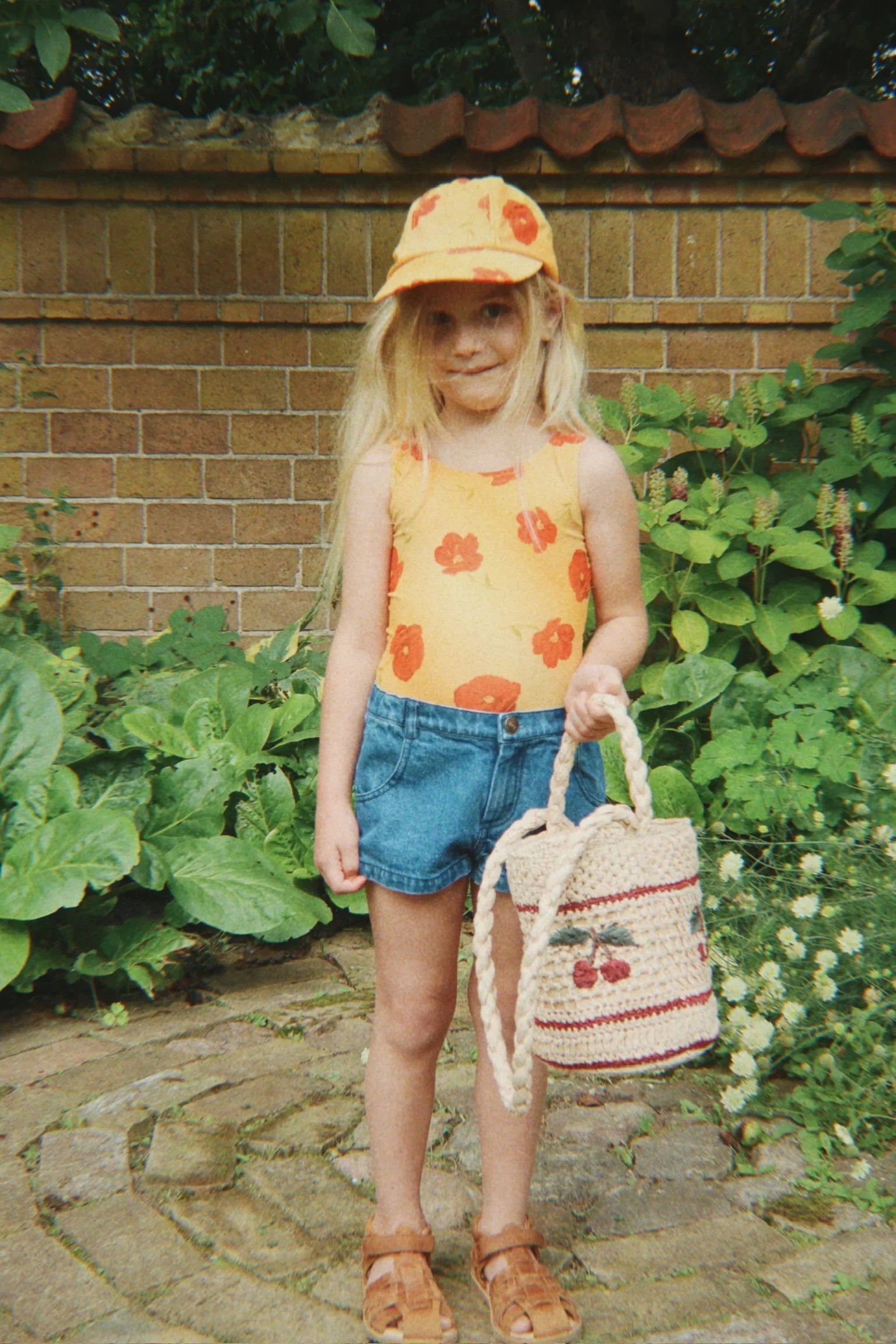
- 1A print or colour top: This is where personality lives. A bold stripe, a fun graphic, a floral — let them lead. Keep the rest of the outfit simple so it doesn't fight.
- 2Easy bottoms: Linen-blend shorts, soft culottes, or a relaxed skirt in a neutral tone that works with multiple tops. Elastic waist is still your friend at this age — waistbands that dig in ruin the whole day.
- 3A one-piece option: A cotton dress or romper for days when putting together an outfit feels impossible. One good piece in a fun summer print does all the work.
- 4Light layer for air-conditioning: A thin cardigan or zip sweatshirt for restaurants, cinemas, and over-enthusiastic supermarket cooling systems. Kids at this age feel the cold-to-hot contrast more than adults.
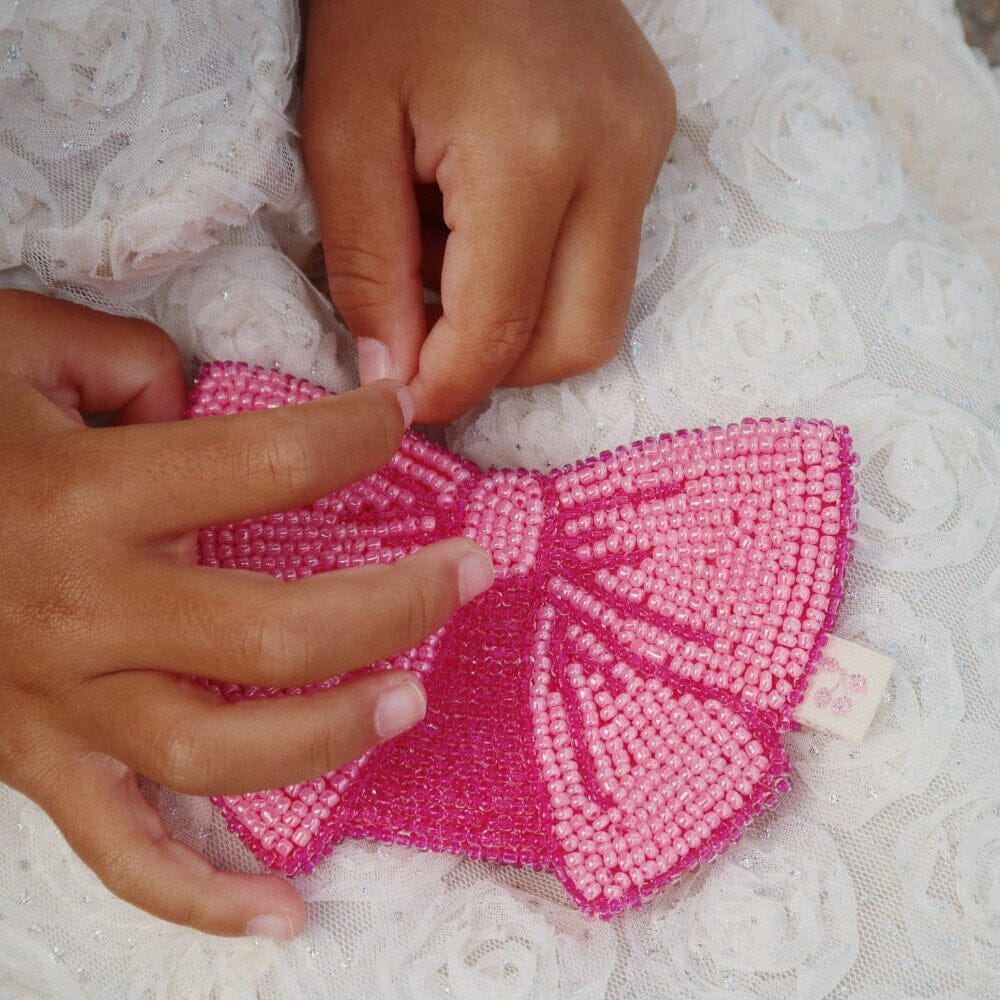
- 5Accessories: A bucket hat, a Mimi & Lula hair clip, or a Supersmalls bracelet. Small details that make kids feel like they've put together a "real" outfit.
How to Wash Kids' Summer Clothes
Summer means sunscreen stains, grass, ice cream, and sand in places you didn't think sand could reach. Good washing habits keep quality pieces looking good for longer — and through multiple children.
Sunscreen stains
Treat immediately with a small amount of dish soap before washing. Don't put in the dryer until the stain is gone — heat sets it permanently.
Grass & mud
Let mud dry completely before brushing off, then wash. Pre-treating wet mud spreads it further into the fabric.
After the beach
Rinse swimwear and beach clothes in cold fresh water immediately to remove salt and sand. Extends life dramatically.
Wash temperature
30°C for most organic cotton. Always check the label — European brands print care instructions clearly and they mean it.
Drying
Line dry in shade when possible. Direct sunlight fades colours faster. Air drying also preserves fabric structure better than tumble drying.