What to Buy at a Boutique Kids Store: A First-Timer’s Guide
If you've ever scrolled past a beautifully dressed toddler in a linen romper or a perfectly layered winter outfit and thought "where do parents even find these clothes?" — you've probably already discovered the world of boutique kids fashion.
But walking into a boutique kids store for the first time — whether online or in person — can feel a little overwhelming. The brands are unfamiliar, the prices are higher than what you're used to, and you're not sure where to start. This guide is here to help. By the end, you'll know exactly what to look for, what to buy first, and why so many parents never go back to fast fashion once they make the switch.
What's the Difference Between Boutique and Fast Fashion for Kids?
Fast fashion brands — think H&M, Zara Kids, or Carter's — are designed for speed and volume. Clothes are produced quickly, priced low, and replaced every few weeks with new styles. For kids who outgrow everything in three months, that can feel practical.
But there's a trade-off. Fast fashion kids' clothing is typically made from synthetic fabrics or low-grade cotton, uses chemical dyes, and is constructed to last one season at most. For babies and toddlers with sensitive skin, that matters more than most parents realize.
Boutique kids clothing — especially European brands — takes a different approach. Fabrics are chosen for softness, breathability, and durability. Designs are timeless rather than trendy. And because the construction is better, these pieces genuinely hold up through multiple children, multiple washes, and multiple years.
Is Boutique Kids Clothing Worth It?
This is the question every first-timer asks, and the honest answer is: it depends on how you think about cost.
A fast fashion bodysuit might cost $8. A Konges Sløjd organic cotton bodysuit costs around $30. On the surface, the fast fashion option wins.
But here's what changes the math: the $8 bodysuit pills after ten washes, fades after five, and is usually too worn to pass on to a younger sibling. The $30 bodysuit looks nearly new after a year of weekly washing, holds its shape, and can be handed down — or resold — when your child grows out of it.
When you factor in cost-per-wear and resale value, boutique kids clothing often works out to be the more economical choice. Many parents who shop at boutique stores also find they buy less overall, because each piece works harder and lasts longer.
What to Buy First — Best Starter Pieces
If you're new to boutique kids shopping, the smartest approach is to start with wardrobe basics rather than statement pieces. These are the items your child will wear constantly, which means you'll see the quality difference immediately.
For babies and toddlers (0–3):
- A quality cotton bodysuit or playsuit in a neutral color
- A pair of leggings or tights in a versatile tone
- One cozy knit layer for cooler days
For older kids (3–8):
- A well-made t-shirt or long-sleeve top in white, cream, or navy
- A comfortable pair of trousers or shorts that mix with everything
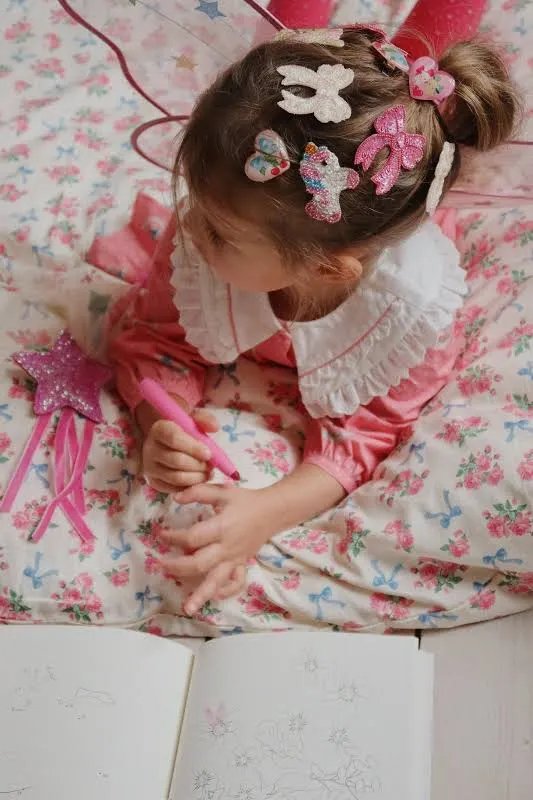
- One standout accessory — a hair clip set or a simple necklace — to add personality without committing to a full outfit
Starting with basics means you can mix boutique pieces with what your child already owns, which makes the transition easier and less expensive.
How to Size Boutique European Brands
Sizing is one of the biggest sources of confusion for first-time boutique shoppers, because European brands size differently from American ones — and differently from each other.
A few general rules:
European brands tend to run true to age or slightly large. A child who wears a US size 2T will often fit comfortably into a European size 92 (which corresponds to roughly 24 months–2 years by height).
Always size by height, not age. Most European brands list height ranges (e.g., 80cm, 92cm, 104cm) rather than age. Measure your child and use that as your guide.
When in doubt, size up. Boutique pieces are designed to be worn for longer than one season. A slightly roomier fit in autumn will be perfect by winter.
At littlewild kids, each product page includes brand-specific sizing guidance. If you're unsure, you're always welcome to reach out before ordering.
How to Care for Quality Kids Pieces
One of the best things about boutique kids clothing is how well it holds up — but only if you wash it correctly. A few simple habits make a big difference.
Wash in cold water. Hot water breaks down natural fibers faster and causes shrinkage, especially in wool and organic cotton.
Use a gentle detergent. Harsh detergents strip fabric of its softness and can irritate sensitive skin. A plant-based or baby-safe detergent works well for most boutique pieces.
Air dry when possible. The dryer is hard on natural fabrics. Laying pieces flat to dry — especially knitwear — keeps them looking new for much longer.
Treat stains immediately. A dab of gentle soap and cold water right after the stain happens will save most pieces. Don't let stains set before washing.
Good care also means these pieces are ready to pass on to younger siblings or friends — which is one of the quiet joys of investing in quality clothing.
Our Favorite Starter Pieces at littlewild kids
If you're ready to try your first boutique kids purchase, here are a few pieces we'd recommend starting with:
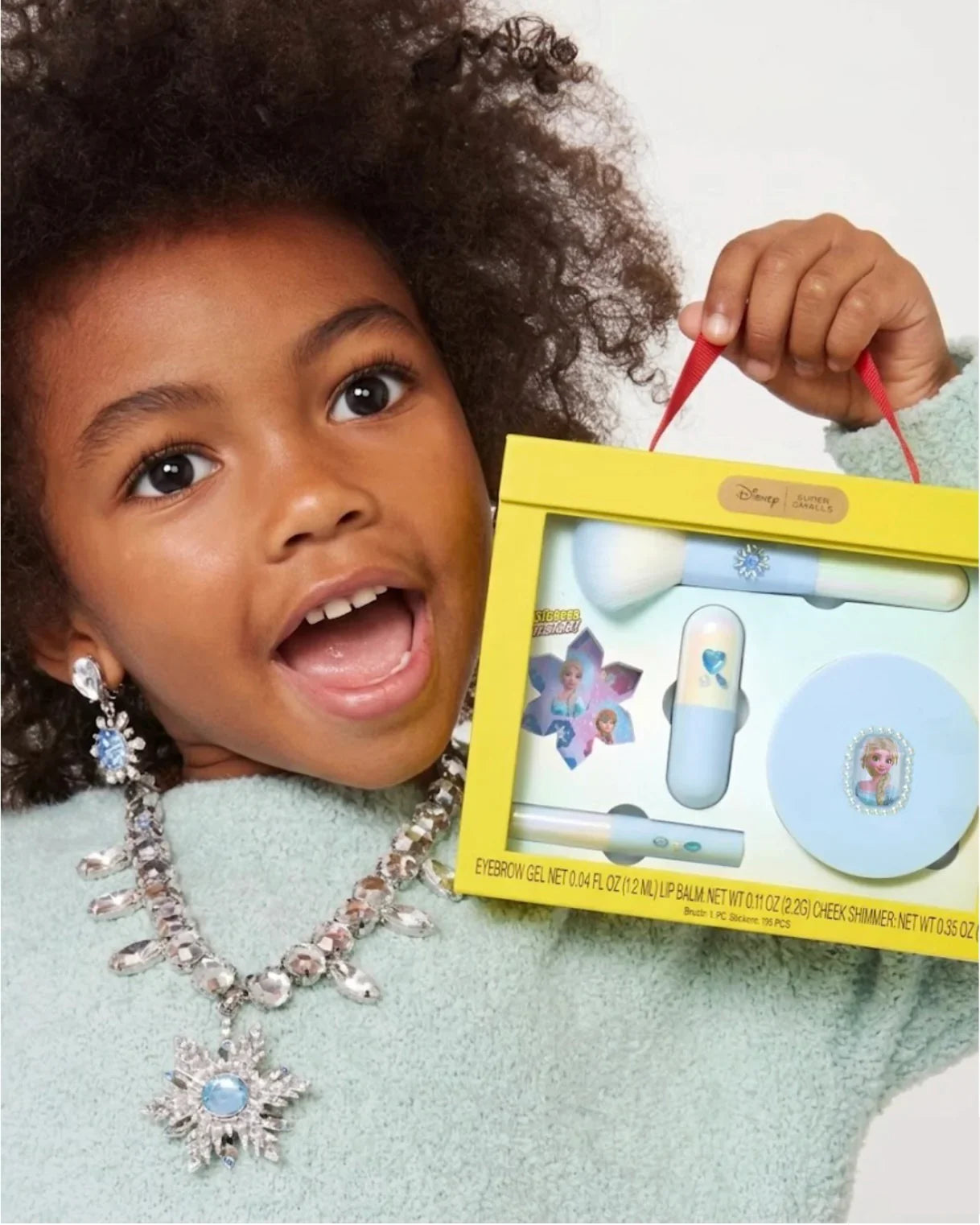
For a baby or toddler, the Konges Sløjd organic cotton playsuit is a perfect introduction to the brand — beautifully made, easy to dress up or down, and sized generously so it gets plenty of wear. For something fun and giftable, the Mimi & Lula hair clip set is a low-commitment way to experience boutique quality without a big spend. And if you're shopping for an older child who loves accessories, the Supersmalls jewelry sets are a favorite — thoughtfully designed, age-appropriate, and genuinely delightful to receive.
Browse our full collection at littlewild kids and feel free to get in touch if you need help choosing your first piece.
You Don't Have to Buy Everything at Once
The most important thing to know as a first-timer: you don't need to overhaul your child's wardrobe overnight. Start with one or two pieces you're genuinely excited about, see how they wear and wash, and go from there. Most parents find that once they experience the difference, the switch happens naturally — one beautiful piece at a time.